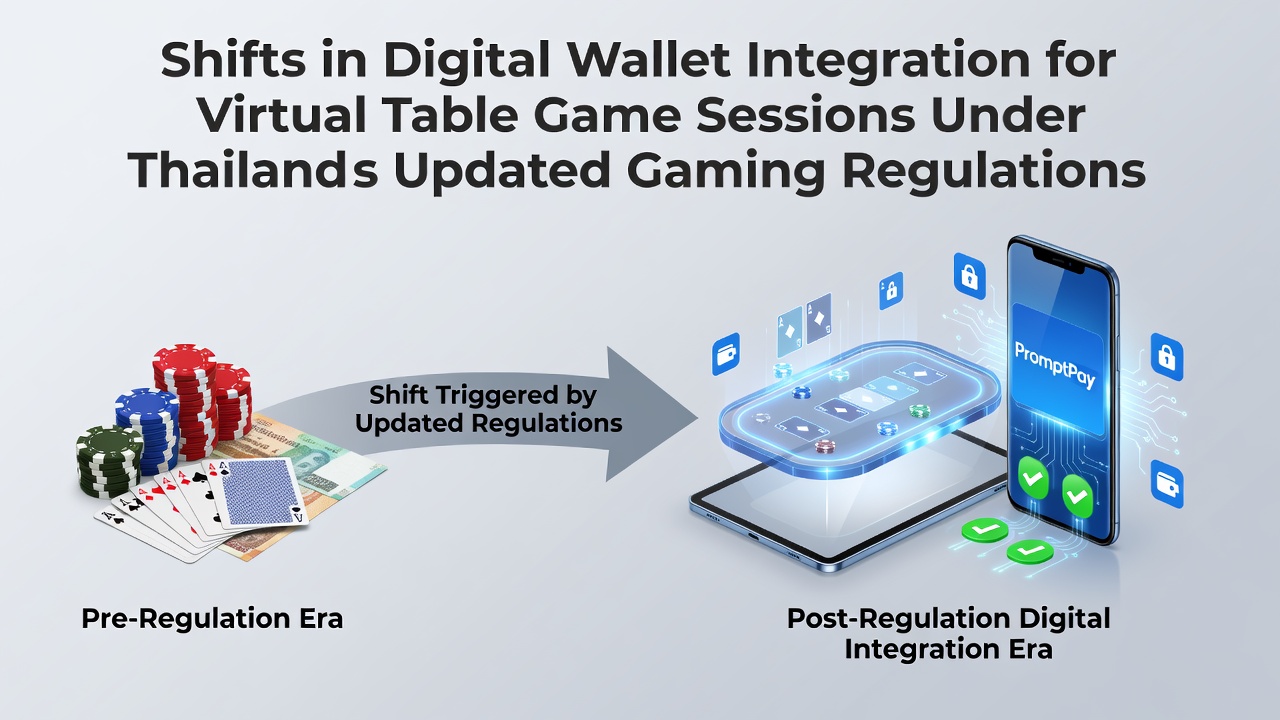
Shifts in Digital Wallet Integration for Virtual Table Game Sessions Under Thailand's Updated Gaming Regulations
Thailand's gaming regulations have undergone revisions that directly affect how digital wallets connect to virtual table game platforms, with several provisions scheduled for full implementation by August 2026. These changes focus on transaction verification, cross-border fund flows, and operator compliance standards that apply specifically to online blackjack, roulette, and baccarat sessions. Data from the Thai Revenue Department shows increased reporting requirements for e-wallet providers that process deposits and withdrawals tied to these sessions.
Key Regulatory Updates Driving Wallet Integration Changes
Updated rules require operators to route all virtual table game transactions through licensed domestic wallets that maintain real-time audit logs, a shift from previous arrangements that allowed more flexible international gateways. Observers note that the Bank of Thailand has expanded its oversight role, mandating that wallet services verify player identity against national databases before funds reach gaming servers. Research from the Australian Institute of Criminology indicates similar patterns in other jurisdictions where wallet licensing tightened transaction traceability and reduced processing times for approved operators.
Technical Adjustments for Virtual Table Game Platforms
Platform providers must now embed API connections that pull wallet balances directly into game interfaces, eliminating manual top-up steps that previously interrupted play sessions. This integration supports automated limit checks and session timers required under the new statutes, while wallet providers handle currency conversion for foreign players using approved exchange rates published monthly. Those who have examined the compliance documents point out that August 2026 marks the deadline for full API certification, after which non-compliant platforms face license suspension.
Wallet services such as domestic mobile payment networks have expanded their gaming modules to include instant settlement for table game winnings, a feature rolled out in pilot programs during early 2025. Evidence suggests these modules reduce reconciliation delays from days to minutes when operators transmit session data through the required encrypted channels. One study revealed that platforms adopting these modules reported fewer discrepancies in payout records compared with legacy systems still reliant on batch processing.
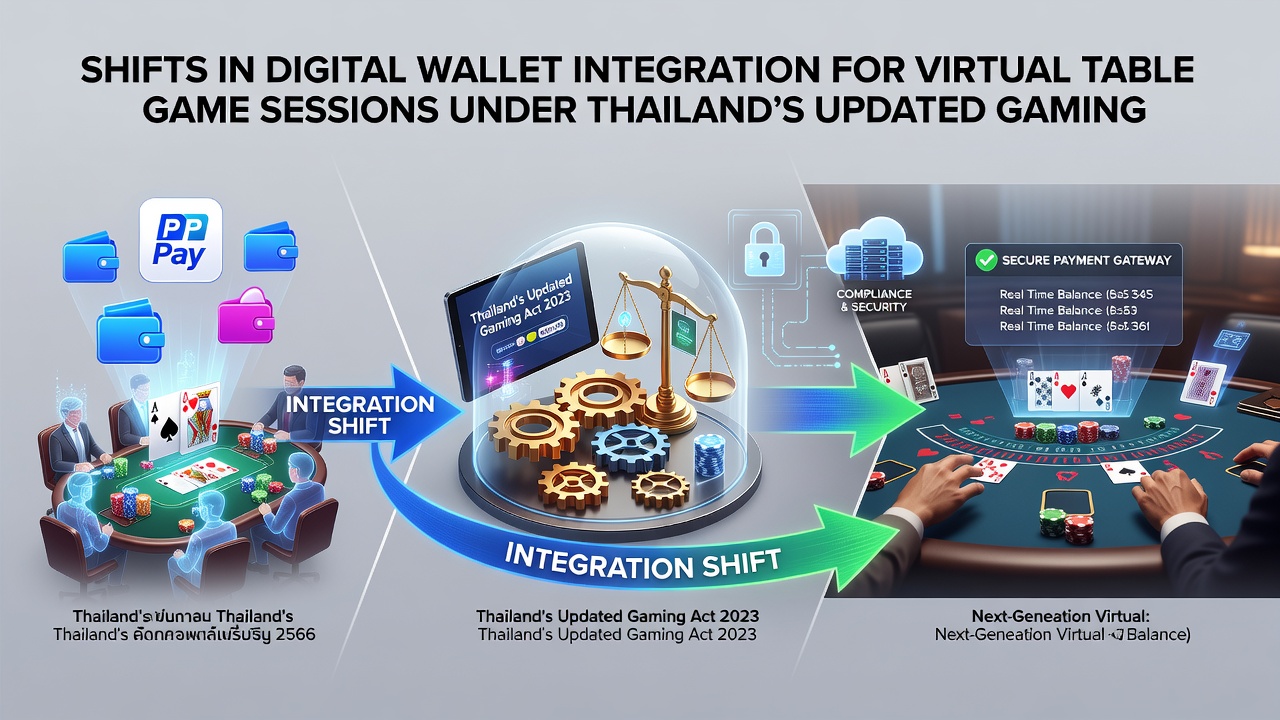
Impact on Player Verification and Transaction Flows
Verification protocols now tie each wallet account to a single national ID, which operators must cross-check before allowing entry into virtual table game lobbies. This measure aligns with broader anti-money laundering directives that came into force in 2025 and will intensify monitoring requirements by August 2026. Data indicates that the number of flagged transactions dropped after initial adoption of these checks, although total transaction volume continued to rise among licensed operators.
Cross-border players encounter additional steps when linking foreign-issued wallets, since regulations restrict such connections unless the wallet meets Thai licensing criteria or operates under reciprocal agreements. Researchers at the University of Sydney have documented comparable restrictions in neighboring markets, where similar rules produced measurable shifts toward domestic wallet dominance within twelve months of enforcement.
Operator Compliance and Infrastructure Requirements
Operators must maintain separate ledgers for wallet-based table game activity and submit monthly summaries to regulatory bodies, a process that automated wallet APIs now streamline. Those who have reviewed the updated guidelines note that failure to meet August 2026 certification deadlines triggers automatic audits and potential revenue withholding until records align. Several major platforms have already upgraded their backend systems to accommodate the new data fields required for each virtual session.
Industry reports highlight that wallet integration has also influenced game design, with developers adding in-session balance displays that update without leaving the table interface. This adjustment supports continuous play while satisfying regulatory demands for transparent fund tracking at every stage of a session.
Conclusion
Thailand's regulatory framework continues to shape digital wallet connections to virtual table games through layered verification, API mandates, and compliance timelines centered on August 2026. The resulting infrastructure changes affect transaction speed, player onboarding, and reporting accuracy across licensed platforms. Observers continue to track how these adjustments influence overall participation rates and operational costs as full enforcement approaches.