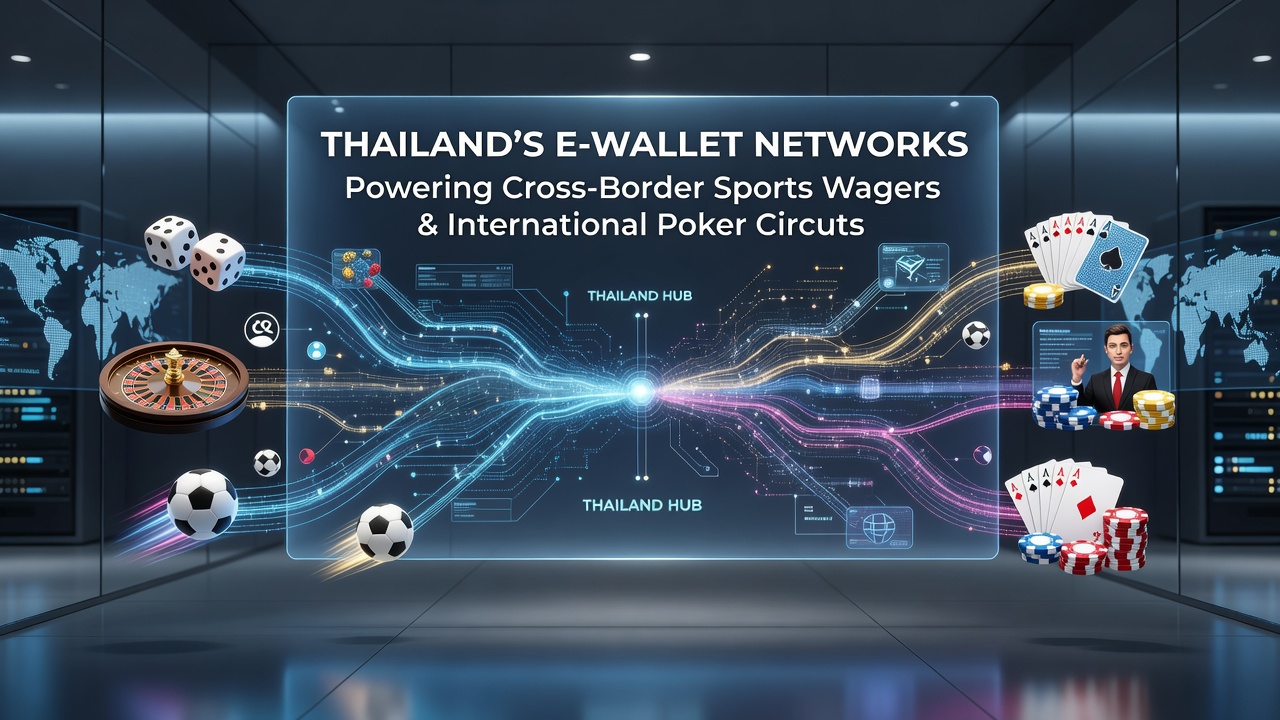
Thailand's E-Wallet Networks Powering Cross-Border Sports Wagers and International Poker Circuits
Thailand's digital payment infrastructure has expanded rapidly in recent years, with e-wallet platforms handling increasing volumes of cross-border transactions tied to sports wagering and poker activities. These networks connect local users to international operators through secure, mobile-based transfers that bypass some traditional banking restrictions. Data from regional financial reports shows steady growth in digital wallet adoption across Southeast Asia since 2023, and observers note particular uptake among users engaging with overseas platforms.
E-Wallet Infrastructure and Transaction Flows
Platforms such as PromptPay and integrated services from major banks enable instant transfers denominated in Thai baht that convert to foreign currencies for betting accounts. These systems operate on real-time rails managed by the Bank of Thailand, and they support API connections to global payment processors. In practice, users initiate deposits via QR codes or mobile numbers, after which funds route through intermediary gateways to licensed offshore entities. Research from payment industry associations indicates that transaction success rates for these channels exceed 95 percent in monitored corridors, while settlement times average under 30 seconds.
Security protocols include multi-factor authentication and transaction limits calibrated to regulatory guidelines. Financial analysts have documented how these features reduce chargeback incidents compared with older card-based methods, and the infrastructure supports both one-time wagers and recurring tournament entries.
Cross-Border Sports Wagering Channels
International sportsbooks accept Thai-originated deposits through e-wallet networks that link to providers in Europe and Asia-Pacific jurisdictions. According to data compiled by the Asia Pacific Gambling Association, volumes routed via digital wallets from Thailand grew 18 percent year-over-year through mid-2025. Bettors place wagers on events ranging from European football leagues to regional cricket matches, with payouts returning through the same channels.
August 2026 marks the scheduled rollout of enhanced interoperability standards between Thai e-wallets and select Singaporean and Malaysian gateways, which analysts expect will further streamline reconciliation for multi-currency sports books. Observers note that these updates align with broader ASEAN digital economy initiatives already underway.
International Poker Circuit Integration
Online poker networks operating under licenses from Malta and the Isle of Man receive player funds via Thai e-wallets that interface with their payment ecosystems. Tournament buy-ins for events such as the World Series of Poker Circuit qualifiers and Asian Poker Tour stops frequently process through these routes. Figures from the International Federation of Poker reveal that Southeast Asian participation in major online circuits rose notably between 2024 and 2025, with Thai accounts representing a measurable share.
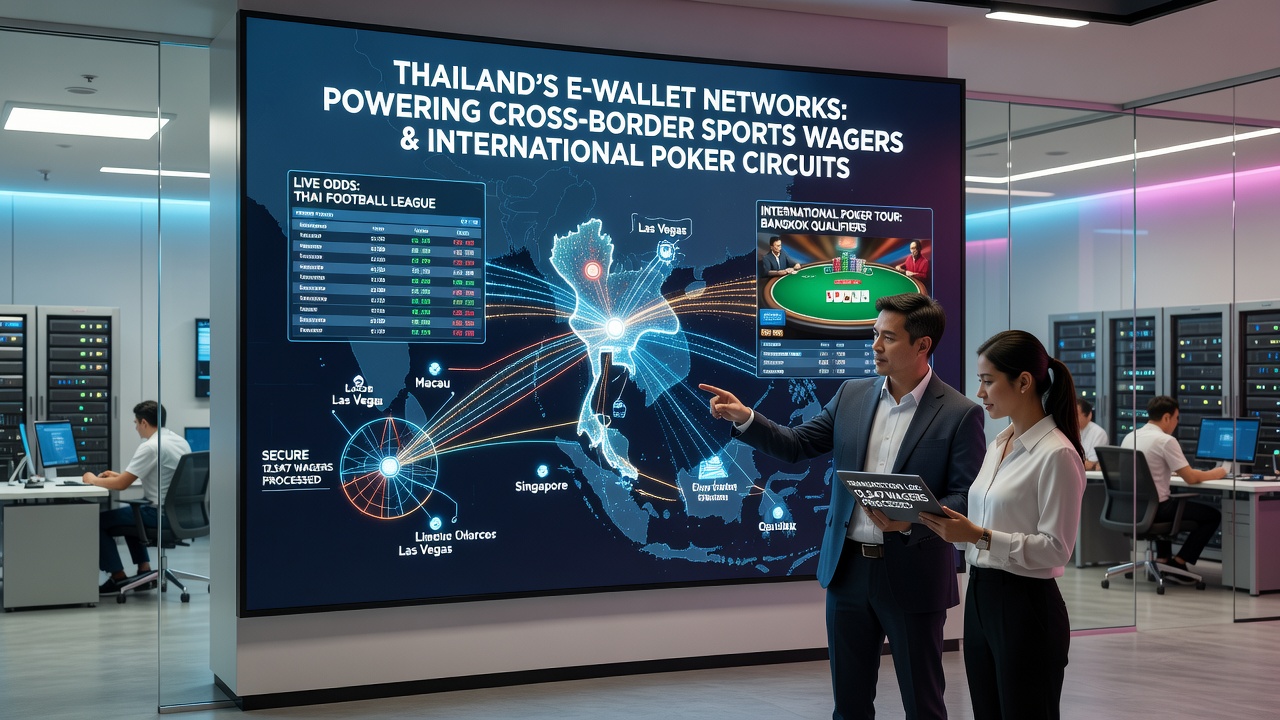
Software providers maintain dedicated Thai-language support for wallet-linked accounts, and withdrawal processing typically completes within 24 hours when users select e-wallet options. Case studies presented at industry forums describe how these integrations allow players to manage bankrolls across multiple sites without repeated manual conversions.
Regulatory Context and Compliance Measures
Thailand maintains prohibitions on most forms of domestic gambling, yet cross-border digital transactions fall under financial rather than gaming oversight in many instances. The Bank of Thailand has issued guidance requiring e-wallet operators to implement monitoring for high-value transfers, and compliance teams at major platforms report regular audits. External analyses from the Canadian Centre for Gaming Research highlight similar patterns in other jurisdictions where payment rails remain distinct from activity regulation.
Operators based abroad often require users to affirm compliance with local laws during account setup. Data from academic studies on digital finance in emerging markets shows that such self-certification mechanisms correlate with lower dispute rates when paired with transparent fee disclosures.
Future Developments in Digital Payment Networks
Industry reports project continued expansion of e-wallet capabilities through 2027, including deeper integration with central bank digital currency pilots. These advancements could further reduce friction for international poker circuits and sports wagering platforms that already accept Thai-sourced traffic. Partnerships between Thai fintech firms and global gaming payment specialists are expected to introduce additional verification layers, drawing on frameworks already tested in Australian regulatory environments.
Conclusion
Thailand's e-wallet networks currently facilitate measurable cross-border activity in sports wagering and poker circuits through established technical and financial linkages. As infrastructure evolves with the August 2026 interoperability milestones, transaction volumes and participant access may shift accordingly, reflecting ongoing alignment between digital payment standards and international gaming ecosystems. Continued monitoring by financial authorities and industry groups will shape how these connections develop.